

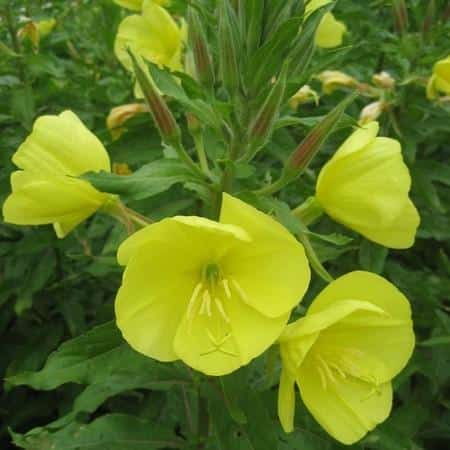
Flowers – Evening Primrose – Heirloom Seeds
$ 1.76
Common evening primrose (Oenothera biennis) has plenty of admirers thanks to its beautiful and delicate appearance, but just as many people view this feisty floral as an invasive and temperamental weed. Native to North America, the flower is best sown in late fall, will grow quickly and bloom each summer, beginning its second year of life. Fragrant, four-petaled flowers bloom above a basal rosette of leafy branched stems. Evening primrose self-seeds, so it’s possible that unless properly cared for, it could easily take over your garden. Still, its pretty, lemon-scented yellow flowers can lure many gardeners with their beauty. The plant’s blooms open in the late afternoon and evening and close throughout the day, attracting a different set of nighttime pollinators, such as moths and bats. Common Name: Evening primrose, common evening primrose, fever plant, cure-allBotanical Name: Oenothera biennisFamily: OnagraceaePlant Type: Herbaceous, biennialMature Size: 3–5 ft. tall, 2–3 ft. wideSun Exposure: Full, partialSoil Type: Moist but well-drainedSoil: pH Neutral, acidicBloom Time: Summer, fallFlower Color: Yellow